I collect as I walk.
I walk as I look.
I look as a way of listening.
Objects enter my work through movement, through travel, chance encounters, and sustained attention to place. Some are ancient: an Iron Age chariot linchpin, Neolithic axe heads, worked flint shaped by hands thousands of years ago. Others are ordinary and contemporary: a squashed beer tin, worn and discarded. Chronology collapses. What draws me is not age, but presence.
What matters is where something comes from and where it was found. The ground it rested in, the hand that shaped it, the moment it was lost or left behind. Removed from context, an object is silent. Handled, it speaks. Touch collapses time.
My photographic practice operates in the same way. Photography is often understood as documentation, a record of the present, yet every photograph is already history the moment it is made. The camera does not simply observe; it fixes an act of attention, turning the everyday into an artefact. What is overlooked now will be returned to later.
Collecting and photographing are parallel acts. Both are driven by desire and a pull toward what might otherwise remain unseen. Both slow time. Both resist erasure. The objects I gather and the images I make form an archive in motion: fragments of human presence layered across centuries. Prehistoric tools sit alongside contemporary debris, not in hierarchy but in continuity.
Our past is our future. The traces we leave will be read, handled, and interpreted just as we read those before us, whether shaped thousands of years ago or discarded last week. In handling these objects, a connection is made: to ancestors, to strangers, to lives briefly intersecting with our own.
This work is not about nostalgia. It is about attention and connection. About recognising that even the smallest object, encountered and held, can carry time within it and remind us that we are already part of someone else’s past.
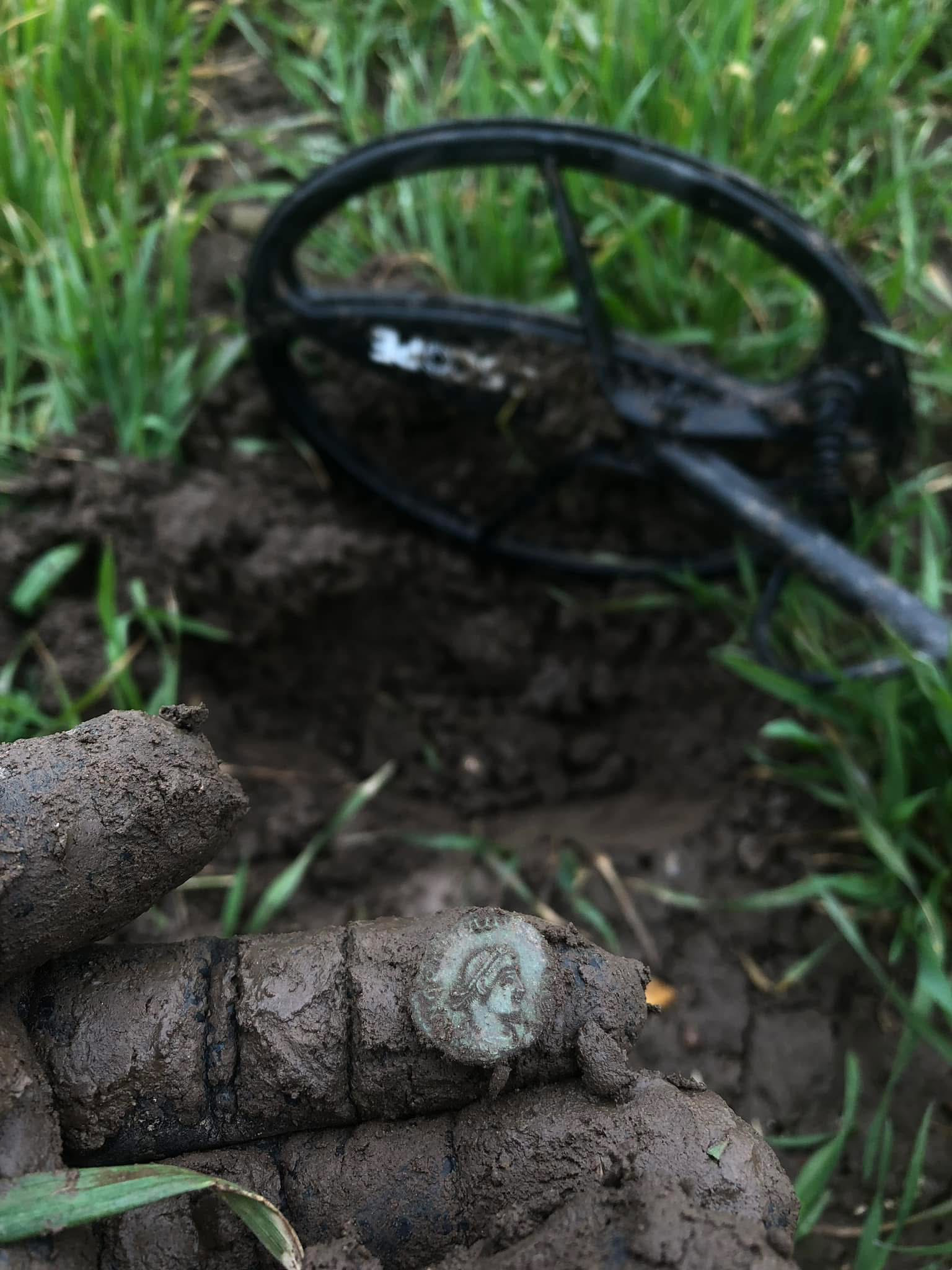
Roman coin find. Skegness, England / ©John Byford
Many of Byford’s more important discoveries are preserved in museums and public institutions, ensuring that the stories they tell remain accessible to everyone. These include Nottingham University, Verulamium Museum in St Albans, Harzhorn Museum in Germany, Heritage Lincolnshire and The Collection in Lincoln.
A recent donation from John Byford comprises a collection of twenty Neolithic flints discovered during fieldwalking in the Lincolnshire Wolds. The artefacts will soon be on display at the new visitor centre in Oxcombe Village, East Lindsey — a beautiful location in the heart of the Wolds, an Area of Outstanding Natural Beauty.
Beyond the public collections, some of his finds have entered private hands, including that of musician Billy Bragg, Jeffrey May (archaeologist) and Guy de la Bédoyère (British Historian and Time Team fame) - reflecting the lasting appeal and historical significance of Byford’s work. Each piece, whether in a museum or private collection, stands as a testament to his dedication and the fascinating histories he helped uncover.
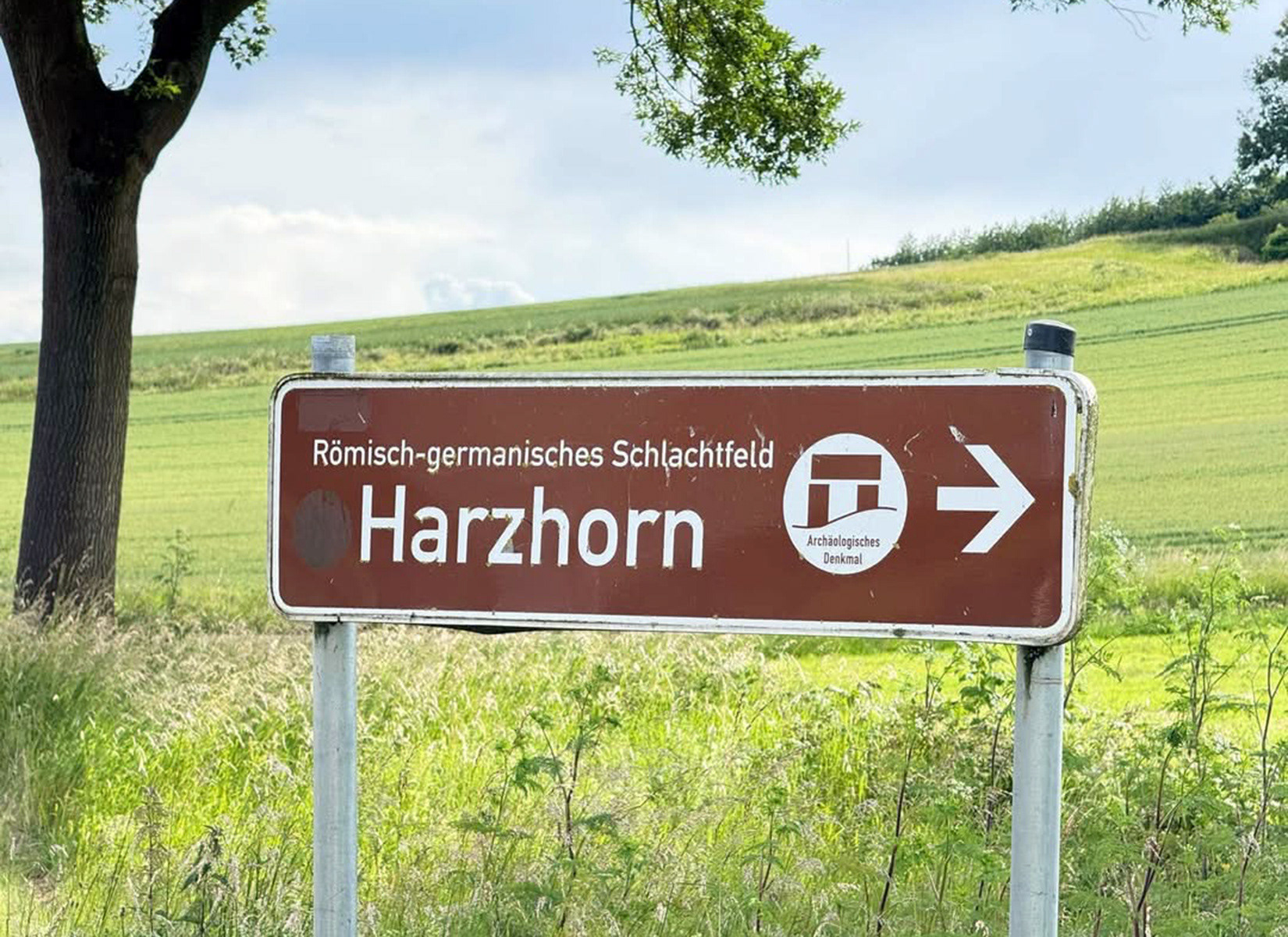
Harzhorn Roman Museum and Battlefield site, Germany

John Byford is represented by:
I. Lohmann, Hannover, Germany. +49 159 04152587